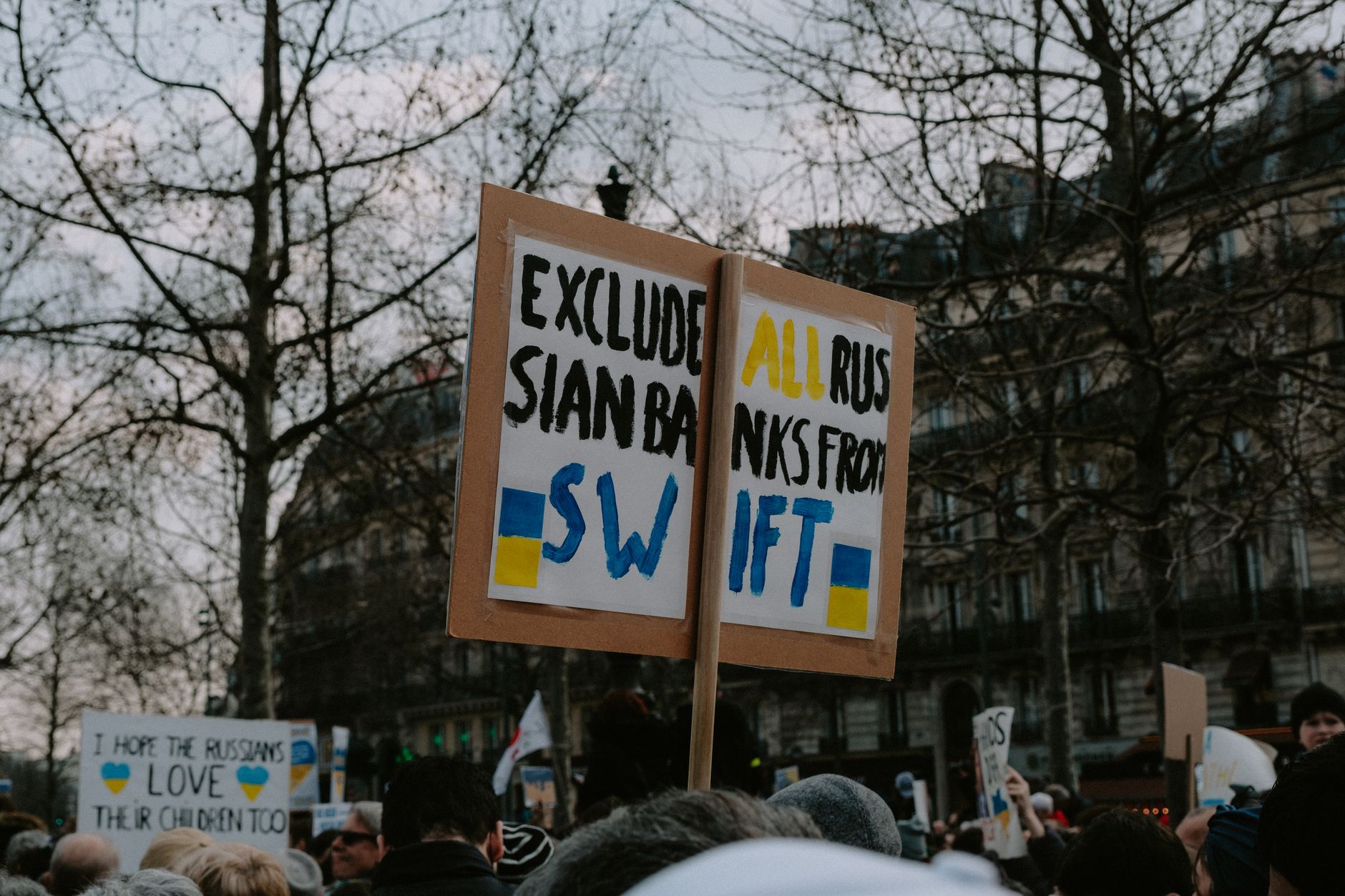
U.S. sanctions ICC have been rejected, with the ICC stating that ‘history will judge this moment.’ This development raises questions about international relations and the impact of sanctions.
What Led to the U.S. Sanctions?
The recent decision by the United States to impose sanctions on the International Criminal Court (ICC) has raised significant questions about the motivations and implications of such actions. Several factors contributed to this controversial move.
- Political Tensions: The relationship between the U.S. and the ICC has been fraught with tension since the court’s inception. Key figures in the U.S. government have long criticized the ICC, arguing that it undermines national sovereignty.
- Allegations of Bias: Many U.S. officials believe the ICC has shown a bias against American military actions, particularly in relation to investigations into alleged war crimes involving U.S. personnel in Afghanistan.
- Response to Investigations: The ICC’s decision to investigate U.S. actions in Afghanistan, as well as the potential for examining Israel’s actions against Palestinians, has further exacerbated tensions. The U.S. perceives these inquiries as politically motivated, leading to its decision to impose sanctions.
- Geopolitical Implications: The sanctions are seen as a response not just to the ICC’s activities, but also to a broader challenge to U.S. influence in international law and human rights.
As the situation evolves, the question remains whether the U.S. sanctions on the ICC represent a turning point in international relations, with critics suggesting that history will ultimately judge this moment harshly.
ICC’s Response to U.S. Sanctions
The International Criminal Court (ICC) has firmly rejected the recent U.S. sanctions imposed against it, asserting that these actions will not deter its commitment to justice. In a statement released shortly after the sanctions were announced, ICC officials emphasized their determination to continue their work without interference from external forces.
Chief Prosecutor Karim Khan expressed that the ICC stands for the principles enshrined in international law, and that the actions of the U.S. could be seen as an attempt to undermine the court’s legitimacy. He stated, “History will judge this moment, and we must remain steadfast in our pursuit of accountability.”
The court’s leadership highlighted several key points in their response:
- The ICC operates based on the principles of justice, impartiality, and the rule of law.
- Sanctions will not influence the court’s investigations or prosecutions of war crimes and crimes against humanity.
- The ICC remains committed to collaborating with all member states and international bodies to uphold justice.
Furthermore, many legal experts believe that these sanctions could backfire, rallying support for the ICC among nations that value international law and human rights. As the situation unfolds, it remains to be seen how these tensions will affect the court’s operations and its relationship with the U.S.
Implications of ICC’s Rejection
The recent decision by the International Criminal Court (ICC) to reject the U.S. sanctions has significant implications for both international law and global diplomacy. The ICC, which was established to prosecute individuals for war crimes, crimes against humanity, and genocide, now finds itself at a crossroads, challenging the influence of the United States in international affairs.
One major implication of the ICC’s rejection is the potential for increasing tensions between the U.S. and the court. The U.S. sanctions ICC aim to deter cooperation with the court and undermine its authority. However, the ICC’s firm stance may embolden other nations to support its mission, creating a rift in U.S.-led international coalitions.
Moreover, this situation raises questions about the future of international justice. The ICC’s defiance could inspire other international bodies to assert their independence from U.S. influence, leading to a more multipolar world. As the ICC stated, “history will judge this moment,” suggesting that the long-term consequences of these sanctions could reshape the landscape of international relations.
Furthermore, the rejection may affect ongoing investigations and prosecutions, as the ICC seeks to maintain its credibility amidst external pressures. Stakeholders, including human rights advocates and foreign governments, will be closely monitoring how this conflict unfolds and its broader implications for global justice.
A Historical Perspective on Sanctions
The imposition of U.S. sanctions on the International Criminal Court (ICC) marks a significant moment in the history of international relations and justice. To comprehend the gravity of this action, it is essential to look back at previous instances where sanctions have been employed as a tool of foreign policy.
Historically, sanctions have often been utilized to exert pressure on nations or organizations perceived to be acting against U.S. interests. However, the target of these sanctions can sometimes lead to unintended consequences, such as escalating tensions or undermining the very principles they aim to uphold. The U.S. sanctions against the ICC present a unique case of imposing penalties on an international institution tasked with prosecuting war crimes and crimes against humanity.
In examining past instances of sanctions, we can draw parallels with the following:
- South Africa: Sanctions during apartheid aimed to dismantle systemic racial oppression.
- Iran: Economic sanctions intended to curb nuclear proliferation have had mixed results.
- Cuba: Decades-long sanctions have not led to regime change but rather entrenched the existing government.
Each case prompts the question of effectiveness and the moral implications of using sanctions as a foreign policy tool. As the ICC states, “history will judge this moment,” indicating that the long-term impact of U.S. sanctions on the ICC remains uncertain.
The recent U.S. sanctions ICC have sparked widespread debate about the implications for international law and justice. Critics argue that these U.S. sanctions ICC undermine the credibility of global institutions designed to hold war criminals accountable.
Photo by Mathias Reding on Pexels