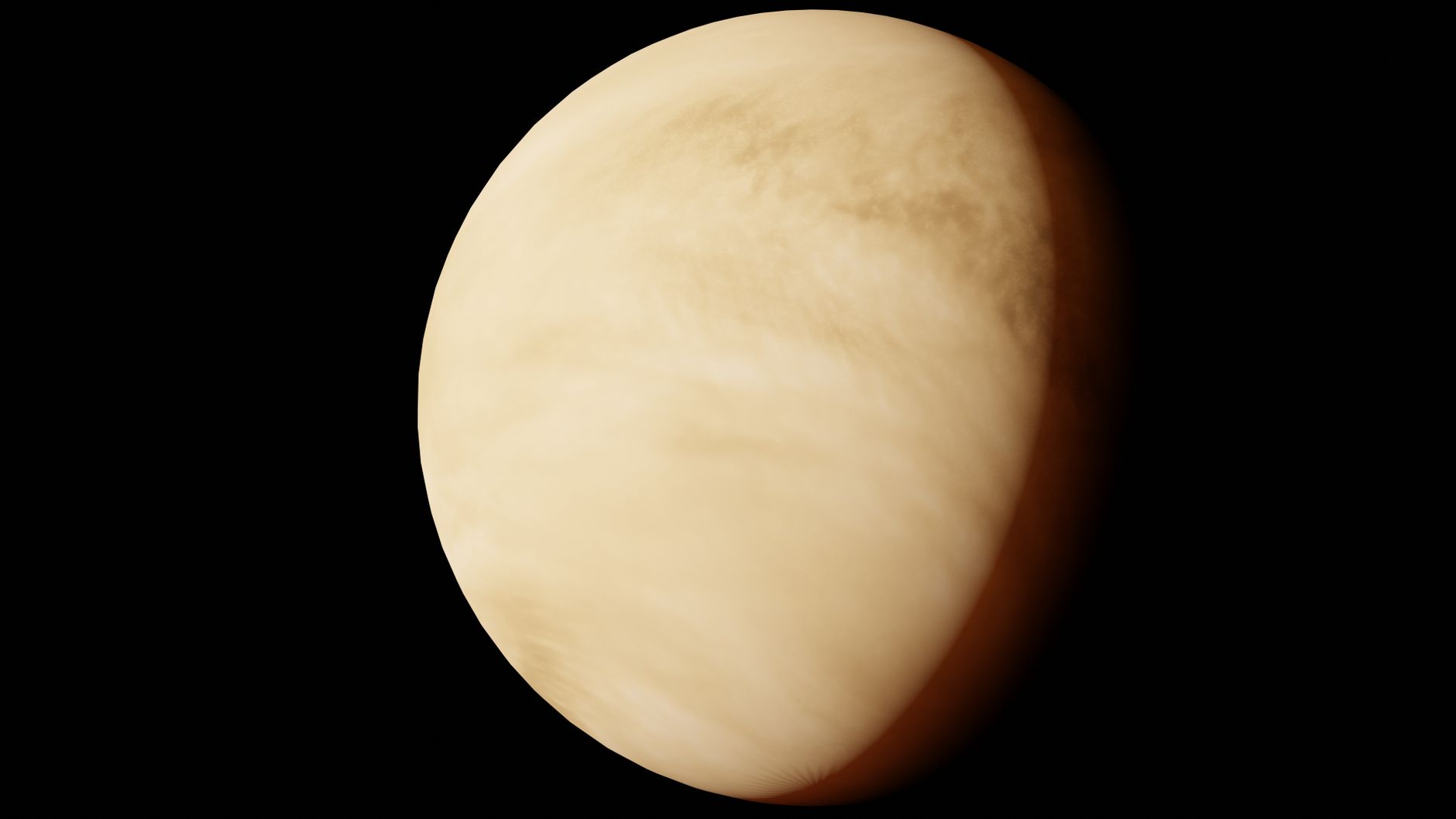
The phoenix planet discovery has captivated astronomers, shedding light on how planets can form from the remnants of dying stars.
What is a phoenix planet?
A phoenix planet is a term used to describe a celestial body that has been formed from the remnants of a dying star. This fascinating phenomenon occurs when a star exhausts its nuclear fuel, leading to its collapse and subsequent explosion in the form of a supernova. The debris from this explosive event can eventually coalesce to form new planets, effectively marking a cycle of destruction and rebirth akin to the mythical phoenix.
In recent discoveries, astronomers have identified what they believe to be a phoenix planet, providing clear evidence of stellar rebirth. This planet is thought to have emerged from the ashes of its progenitor star, showcasing a remarkable transition from death to new life within the cosmos.
The study of such planets not only enhances our understanding of stellar evolution but also raises intriguing questions about the potential for life in the universe. As these cosmic cycles continue, they remind us of the dynamic nature of the universe and the ongoing processes that shape it.
- Formation from supernova remnants
- Cycle of destruction and rebirth
- Potential for new life
The science behind stellar rebirth
The concept of a phoenix planet, a celestial body formed from the remnants of a dying star, challenges traditional views of planetary formation. This discovery highlights the dynamic processes involved in the lifecycle of stars and the potential for new worlds to emerge from stellar death.
When a star exhausts its nuclear fuel, it undergoes a dramatic transformation, often culminating in a supernova explosion. This cataclysmic event disperses elements into space, creating a rich tapestry of materials that can seed the formation of new planets. The science behind stellar rebirth involves several key processes:
- Supernova Nucleosynthesis: During a supernova, heavy elements are forged and ejected, which can later coalesce into new planetary bodies.
- Gas and Dust Accumulation: The materials released from a dying star gather in surrounding regions, forming dense clouds that can collapse under gravity.
- Protoplanetary Disks: As these clouds collapse, they may form rotating disks of gas and dust, where planets can begin to take shape over millions of years.
The recent observations of a phoenix planet add to our understanding of these processes, revealing that life can emerge from stellar death, creating new opportunities for exploration and discovery in our universe.
How do planets form from dying stars?
Planet formation from dying stars is a fascinating process that highlights the cyclical nature of the universe. When a star exhausts its nuclear fuel, it undergoes a dramatic transformation, shedding its outer layers and leaving behind a core. This ejected material, rich in various elements, can serve as the building blocks for new planetary systems.
In the case of a phoenix planet, astronomers believe that the remnants of a star can coalesce with the surrounding gas and dust to form new celestial bodies. The process begins with:
- Stellar Death: The star reaches the end of its life cycle, exploding in a supernova or shedding its outer layers.
- Material Ejection: The expelled matter creates a nebula, rich in heavy elements essential for planet formation.
- Accretion: Dust and gas begin to clump together under the influence of gravity, forming planetesimals.
- Planet Formation: Over time, these planetesimals collide and merge, eventually forming full-fledged planets.
This intricate dance of creation showcases how the phoenix planet discovery provides clear evidence of stellar rebirth and the ongoing evolution of our universe.
Recent discoveries in astronomy
Recent discoveries in astronomy have provided new insights into the lifecycle of stars and the formation of planets. Among the most intriguing findings is the concept of a phoenix planet, which emerges from the ashes of a dying star. This phenomenon challenges traditional views of planetary formation and rejuvenation.
Astronomers have recently identified several key factors that contribute to the emergence of these celestial bodies. Notably, the observation of specific chemical signatures in the remnants of dying stars has shed light on the materials available for new planetary systems. These materials, rich in elements like carbon and oxygen, can coalesce under the right conditions to form new planets.
Additionally, advancements in telescope technology have allowed researchers to detect more distant and faint celestial objects, expanding our understanding of stellar evolution. The discovery of potential phoenix planets highlights the dynamic nature of the universe, where destruction and creation coexist in a continuous cycle.
As astronomers continue to explore the cosmos, the study of these fascinating phenomena may provide profound insights into the origins of our own solar system and the potential for life beyond Earth.
Implications for future space research
The recent discovery of a phoenix planet has significant implications for future space research and our understanding of the universe. Researchers believe that this finding may open new avenues in the study of planetary formation and stellar evolution.
Firstly, the identification of a phoenix planet suggests that planets can emerge even from the remnants of dying stars, challenging previously held notions about the lifecycle of celestial bodies. This could lead to a reevaluation of the conditions necessary for planet formation and the potential for life in such environments.
Moreover, the discovery raises questions about the prevalence of similar phenomena throughout the universe. Astronomers may now focus their attention on exploring other stars in their dying phases, looking for evidence of additional phoenix planets. This could significantly expand our catalog of exoplanets and enhance our understanding of their diversity.
Lastly, the implications of this research might influence future missions aimed at studying star systems, particularly those exhibiting signs of stellar rebirth. As scientists continue to investigate these fascinating celestial events, we can expect more groundbreaking discoveries that redefine our perspective on the cosmos.
Understanding the lifecycle of stars
The lifecycle of stars is a complex and fascinating process that ultimately leads to the creation of new celestial bodies, such as what we now refer to as phoenix planets. Understanding this cycle is crucial for grasping how stellar phenomena influence the universe.
Stars go through several stages during their lives:
- Formation: Stars begin as vast clouds of gas and dust, collapsing under their own gravity.
- Main Sequence: Once nuclear fusion ignites, stars spend the majority of their lives in this stable phase, fusing hydrogen into helium.
- Red Giant Phase: As stars exhaust their hydrogen, they expand and cool, eventually shedding outer layers.
- Stellar Death: Depending on their mass, stars may become white dwarfs, neutron stars, or black holes.
- Rebirth: The expelled material from dying stars can trigger new star and planet formation, leading to the emergence of phoenix planets.
These stages illustrate a continuous cycle of creation and destruction, redefining our understanding of the cosmos and highlighting the intricate connections between stars and planets.
Phoenix planet discovery: What’s next?
The recent phoenix planet discovery has opened up exciting new avenues for astronomical research. As scientists delve deeper into the implications of this finding, several key areas of exploration are emerging.
- Further Observations: Astronomers are planning follow-up observations to gather more data on the phoenix planet’s atmosphere and composition. This will help determine the conditions that led to its formation.
- Comparative Studies: Researchers aim to compare this phoenix planet with other known exoplanets to enhance the understanding of planetary formation in varying stellar environments.
- Theoretical Models: The discovery will likely lead to updates in theoretical models of stellar evolution and planetary formation, providing a more comprehensive framework for future studies.
- Public Engagement: Increased public interest in this discovery may inspire educational programs and outreach efforts to engage the next generation of astronomers.
As the field of astronomy continues to expand, the implications of the phoenix planet discovery could ultimately reshape our understanding of not only dying stars but also the birth of new worlds from their remnants.
The phoenix planet discovery has opened new avenues for understanding how planets can form anew from the remnants of older stars. Researchers are excited about the implications of this phoenix planet discovery for the future of astrobiology and the search for life beyond our solar system.
Photo by Zelch Csaba on Pexels
Sources
You might also like
U.S. sanctions ICC: Is This the Worst Moment in History? · GTA 6 merch: The best places to buy official items · Bat Genomes Analysis: Proven Insights into Europe’s Origins