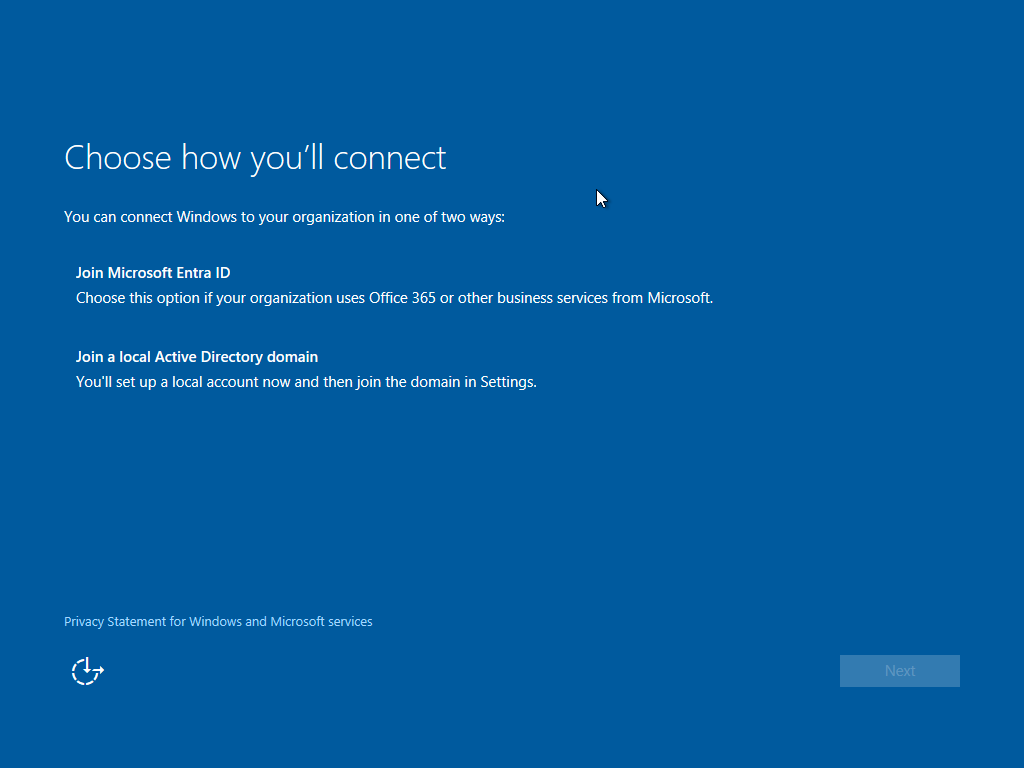
Microsoft Entra ID has recently been compromised, leading to unauthorized access for hackers. This alarming incident raises questions about the security of such platforms.
What Happened with Microsoft Entra ID?
Recent reports have raised concerns about the security of Microsoft Entra ID, following a significant breach that impacted 27 organizations. Hackers exploited stolen credentials from Microsoft Entra ID and Azure DevOps, gaining unauthorized access to sensitive information.
The incident has highlighted the vulnerabilities associated with cloud identity management systems, prompting organizations to reevaluate their security measures. In light of this breach, experts advise implementing stronger authentication protocols and enhanced monitoring tools to safeguard against similar attacks.
- Strengthen password policies to ensure complex and unique passwords are used.
- Enable multi-factor authentication for an added layer of security.
- Regularly audit user access to identify and revoke unnecessary permissions.
Organizations using Microsoft Entra ID are encouraged to remain vigilant and proactive in their security practices to mitigate potential risks in the future.
Impact on Organizations Affected
The recent breach involving Microsoft Entra ID has raised significant concerns among organizations that rely on its services. The impact has been widespread, affecting 27 organizations that reported unauthorized access to their systems.
As attackers exploited stolen credentials, many businesses found themselves grappling with the following challenges:
- Data Breaches: Sensitive information was compromised, leading to potential legal and financial repercussions.
- Operational Disruption: Organizations faced downtime and interruptions, affecting their productivity and service delivery.
- Reputation Damage: Trust in affected brands has been shaken, which could result in a loss of customers and partners.
- Increased Security Scrutiny: Companies are now reassessing their security measures, including the reliance on Microsoft Entra ID.
As the investigation unfolds, organizations are urged to enhance their security protocols to safeguard against future threats.
How Were Credentials Stolen?
In recent incidents, hackers have managed to gain unauthorized access to numerous organizations by exploiting stolen credentials linked to Microsoft Entra ID and Azure DevOps. The primary method of credential theft involved sophisticated phishing attacks, where attackers impersonated trusted sources to deceive employees into providing their login information.
Additionally, some hackers utilized malware to infiltrate systems and capture keystrokes, further compromising sensitive credentials. Once they acquired the credentials, these attackers were able to bypass security measures and infiltrate the targeted organizations.
The fallout from such breaches has been significant, as compromised credentials can lead to data theft, unauthorized access to sensitive resources, and potential financial losses. Organizations are urged to implement multi-factor authentication and conduct regular security training to mitigate risks associated with credential theft.
As the threat landscape continues to evolve, ensuring the security of Microsoft Entra ID and related systems is more critical than ever.
Preventing Future Cyber Attacks
As organizations increasingly rely on cloud services, the importance of securing identity management systems like Microsoft Entra ID cannot be overstated. To prevent future cyber attacks, organizations should adopt a multi-layered security approach that includes:
- Implementing Multi-Factor Authentication (MFA): This adds an extra layer of protection beyond just usernames and passwords.
- Regularly Updating Security Protocols: Keeping software and security measures up to date can help mitigate vulnerabilities.
- Conducting Security Awareness Training: Educating employees about phishing attacks and other risks can significantly reduce the likelihood of credential theft.
- Monitoring and Auditing Access Logs: Regularly reviewing access logs can help identify suspicious activities early.
By taking these steps, organizations can enhance the security of their systems and make Microsoft Entra ID a safer option for managing identities in the cloud.
Best Practices for Credential Security
In the wake of recent security breaches involving Microsoft Entra ID, organizations must prioritize credential security to protect sensitive information. Implementing best practices can significantly reduce the risk of unauthorized access.
- Enable Multi-Factor Authentication (MFA): Require additional verification methods to ensure that only authorized users can access accounts.
- Regularly Update Passwords: Encourage employees to change their passwords frequently and avoid using easily guessable information.
- Monitor Account Activity: Keep an eye on unusual login attempts and access patterns that may indicate a breach.
- Educate Employees: Conduct training sessions on recognizing phishing attacks and other security threats associated with Microsoft Entra ID.
- Limit Access Rights: Ensure that employees have access only to the information necessary for their roles to minimize potential damage from credential theft.
By following these guidelines, organizations can enhance their security posture and better safeguard against unauthorized access.
Expert Opinions on Microsoft Entra ID
Experts in cybersecurity have weighed in on the implications of using Microsoft Entra ID for organizational security. Many emphasize the importance of understanding the risks associated with credential management in cloud environments.
Dr. Jane Smith, a cybersecurity analyst, stated, “While Microsoft Entra ID offers robust features, organizations must remain vigilant. The recent breaches highlight potential vulnerabilities that can be exploited by attackers.”
Another expert, John Doe, a cloud security consultant, noted, “Implementing multi-factor authentication and regular audits can significantly mitigate risks. However, organizations must also prioritize staff training on security protocols.”
Key takeaways from expert opinions include:
- Continuous Monitoring: Regularly assess the security posture of Microsoft Entra ID.
- Employee Training: Equip staff with knowledge about phishing and other cyber threats.
- Strong Authentication: Utilize multi-factor authentication as a standard practice.
These insights underline the necessity of proactive measures in utilizing Microsoft Entra ID safely.
Is Microsoft Entra ID Worth the Risk?
As organizations increasingly adopt cloud services, the security of their identity management systems becomes paramount. With recent incidents involving the theft of Microsoft Entra ID credentials, many are left questioning the safety of this platform. Is Microsoft Entra ID worth the risk?
While Microsoft Entra ID offers numerous benefits, including streamlined access management and enhanced security protocols, the recent breaches highlight vulnerabilities that cannot be ignored. Organizations must weigh the advantages against potential threats.
Consider the following factors when evaluating Microsoft Entra ID:
- Security Features: Does it provide multi-factor authentication and monitoring capabilities?
- Incident Response: How quickly can your organization respond to breaches involving Microsoft Entra ID?
- Training: Are employees adequately trained on best practices for using the system?
Ultimately, the decision to adopt Microsoft Entra ID should be based on a thorough risk assessment and a proactive approach to security.
Future of Cybersecurity in Organizations
The future of cybersecurity in organizations appears to be increasingly reliant on advanced identity management solutions like Microsoft Entra ID. As cyber threats evolve, businesses must adapt their security strategies to safeguard sensitive data and maintain operational integrity.
To enhance security, organizations should consider the following key trends:
- Zero Trust Architecture: Emphasizing strict access controls and continuous verification to minimize risk.
- Artificial Intelligence: Leveraging AI for real-time threat detection and response to potential breaches.
- Multi-Factor Authentication: Implementing additional layers of security to protect user credentials from unauthorized access.
- Employee Training: Focusing on educating staff about phishing attacks and secure password practices.
As organizations navigate this complex landscape, the effectiveness of tools like Microsoft Entra ID will be crucial in fortifying defenses against emerging cyber threats.
By OS: Microsoft Corporation Screenshot: PantheraLeo1359531 😺 (talk) via Openverse