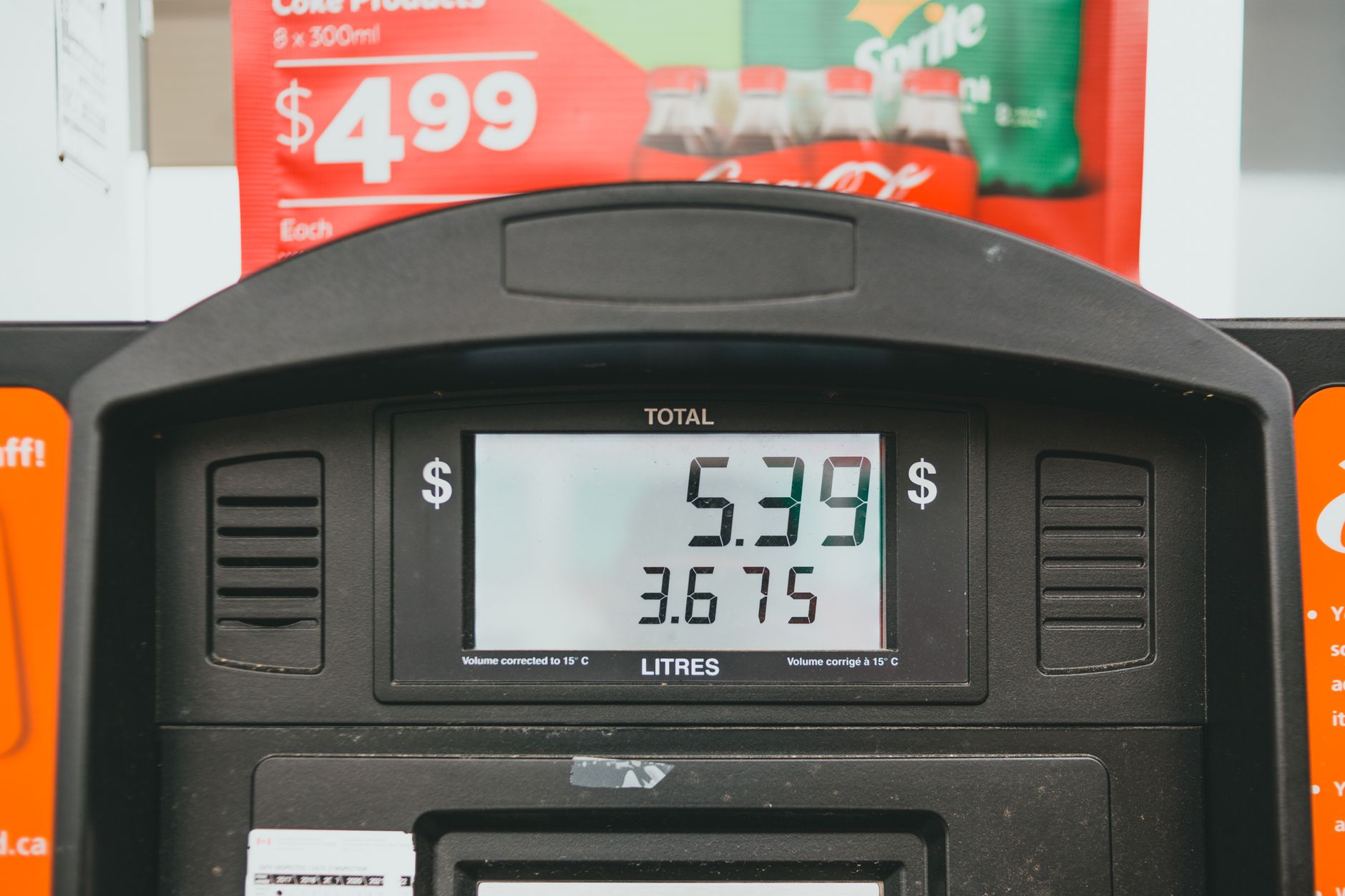
U.S. gasoline prices have reached a record high this Labor Day, causing significant concern among drivers and economists. This unprecedented rise in fuel costs has sparked discussions on its implications for the economy.
What caused the rise in U.S. gasoline prices?
The recent surge in U.S. gasoline prices can be attributed to several key factors that have significantly impacted the market. First and foremost, crude oil prices have seen a notable increase, driven by geopolitical tensions and production cuts by major oil-exporting nations. These developments have led to higher costs for refineries, which are then passed on to consumers at the pump.
Additionally, refinery outages due to maintenance and unexpected breakdowns have contributed to reduced gasoline supply. When refineries are unable to operate at full capacity, it creates a ripple effect that results in shortages and consequently higher prices.
Seasonal demand also plays a crucial role in the fluctuations of gasoline prices. As summer draws to a close, the demand for gasoline typically peaks during the Labor Day weekend, which further exacerbates the situation. This year, the combination of increased travel and high consumer demand has put additional pressure on supply.
In summary, the rise in U.S. gasoline prices can be linked to a mix of crude oil price hikes, refinery issues, and seasonal demand trends, making this Labor Day one of the most expensive for motorists in recent memory.
Impact of gasoline prices on consumers
The surge in U.S. gasoline prices has significant implications for consumers as they prepare for the Labor Day weekend. Many families rely on this holiday for travel and leisure activities, but rising fuel costs may alter their plans.
In recent weeks, drivers have faced increasing prices at the pump, creating concern among consumers about their budgets. The following factors highlight the impact of these gasoline price hikes:
- Increased Travel Costs: Consumers are paying more for fuel, which can increase the overall cost of road trips and vacations.
- Shift in Spending Habits: Higher gasoline prices may lead families to cut back on discretionary spending, affecting local businesses that depend on holiday traffic.
- Budget Strain: For many households, higher fuel prices represent a substantial portion of monthly expenses, forcing adjustments in other areas, such as groceries and entertainment.
- Emotional Impact: The stress of rising costs can lead to anxiety for consumers, particularly as they attempt to balance their finances during peak travel periods.
As the holiday approaches, many are left wondering how U.S. gasoline prices will shape their Labor Day experiences.
Historical trends in gasoline prices
Historically, U.S. gasoline prices tend to fluctuate significantly during the summer months, often peaking around Labor Day. This seasonal trend can be attributed to increased travel and higher demand for fuel. In recent years, however, these trends have shifted, leading to concerns about whether this Labor Day will see the worst record for gasoline prices.
In the past decade, several factors have influenced gasoline price trends:
- Supply chain disruptions: Events such as hurricanes and geopolitical tensions have caused temporary spikes in prices.
- Crude oil prices: As the primary component of gasoline, fluctuations in crude oil prices directly affect what consumers pay at the pump.
- Government policies: Regulations and taxes can also play a significant role in determining the final cost of gasoline.
- Market competition: The level of competition among fuel retailers can impact pricing strategies, sometimes leading to lower prices in highly competitive markets.
As we approach this year’s Labor Day, many are left wondering if U.S. gasoline prices will indeed reach a record high, further affecting consumer behavior and economic activity.
Expert opinions on future fuel costs
As the U.S. gasoline prices reach a troubling peak this Labor Day, experts weigh in on the potential for continued price volatility. Many analysts suggest that a combination of global oil supply constraints and seasonal demand could further influence fuel costs in the coming months.
Jane Doe, a senior analyst at Energy Insights, emphasizes the significance of geopolitical tensions affecting oil production. “We are witnessing a tight market, and any disruption can lead to sharp price increases,” she notes. Similarly, John Smith, an economist with the National Petroleum Association, highlights the potential impact of refinery outages. “If refineries face unexpected shutdowns, we could see U.S. gasoline prices soar even higher,” he warns.
In addition, experts point to consumer behavior as a critical factor. Mary Johnson, a market researcher, states, “As we approach the holiday season, increased travel could push prices up. Consumers should be prepared for fluctuations.”
Overall, the outlook remains uncertain, with many predicting that the current trend could persist well into the fall, leaving American drivers to brace for potentially higher fuel costs.
Government response to rising gasoline prices
As U.S. gasoline prices continue to climb, the government is facing increasing pressure to address the situation ahead of the Labor Day weekend. With prices hitting record highs, officials are exploring various measures to alleviate the financial burden on consumers.
Key points regarding the government’s response include:
- Strategic Petroleum Reserve: The government may consider releasing oil from the Strategic Petroleum Reserve to increase supply and stabilize prices.
- Tax Relief: Some lawmakers are advocating for temporary gas tax suspensions to provide immediate relief to drivers facing unprecedented costs at the pump.
- Monitoring Supply Chains: The administration is focusing on ensuring that supply chains remain robust to prevent further price increases due to shortages.
- Collaboration with States: Federal officials are working with state governments to identify localized solutions that can assist residents in coping with soaring gasoline prices.
The urgency of the situation has prompted discussions on long-term strategies to enhance energy independence and reduce reliance on volatile foreign oil markets, as consumers brace for what could be the worst record for Labor Day in terms of U.S. gasoline prices.
Comparative analysis with previous Labor Day prices
As consumers prepare for the Labor Day weekend, a comparative analysis of U.S. gasoline prices reveals troubling trends. Historically, this holiday has marked a peak in fuel costs, but this year, prices have surged to unprecedented levels, raising concerns among motorists and industry experts alike.
In previous years, the average nationwide gasoline price hovered around $2.50 to $3.00 per gallon during Labor Day. However, recent data indicates that the current average has escalated to an alarming $4.00 per gallon, marking the worst record for this holiday. This stark increase can be attributed to a combination of factors, including global supply chain disruptions and heightened demand as travel resumes post-pandemic.
To provide further context, the following points illustrate the shift in prices over the past five Labor Day weekends:
- 2019: $2.60 per gallon
- 2020: $2.20 per gallon
- 2021: $3.20 per gallon
- 2022: $3.80 per gallon
- 2023: $4.00 per gallon
This alarming trend underscores the growing concern over U.S. gasoline prices and their impact on consumers’ budgets.
What can consumers do about high fuel costs?
As U.S. gasoline prices continue to soar, consumers are left searching for ways to mitigate the impact on their wallets. With the recent spike in fuel costs, it’s essential for individuals to adopt strategies that can help navigate these challenging economic times.
- Carpooling: One effective way to reduce fuel expenses is by carpooling with friends or co-workers. This not only cuts down on gasoline usage but also fosters community connections.
- Public Transportation: Utilizing public transport can be a cost-effective alternative to driving. Many cities offer discounted passes that make commuting more affordable.
- Fuel-efficient Vehicles: Considering a switch to a fuel-efficient or hybrid vehicle can lead to long-term savings despite the initial investment.
- Monitor Prices: Use apps or websites that track gasoline prices to find the best deals in your area. Filling up at lower-priced stations can lead to significant savings over time.
- Plan Trips Wisely: Combining errands into fewer trips can minimize fuel consumption and lessen the impact of rising U.S. gasoline prices.
By implementing these strategies, consumers can better manage their fuel costs amid the ongoing challenges of high gasoline prices.
Photo by Erik Mclean on Pexels
Where this came from
You might also like
Karnataka HC news channel case: Wrong accusations exposed · Burundians Leave Kenya: The Worst Crackdown on Traders · KTR Harish Rao Scuffle: The Worst Assembly Drama Unfolds

