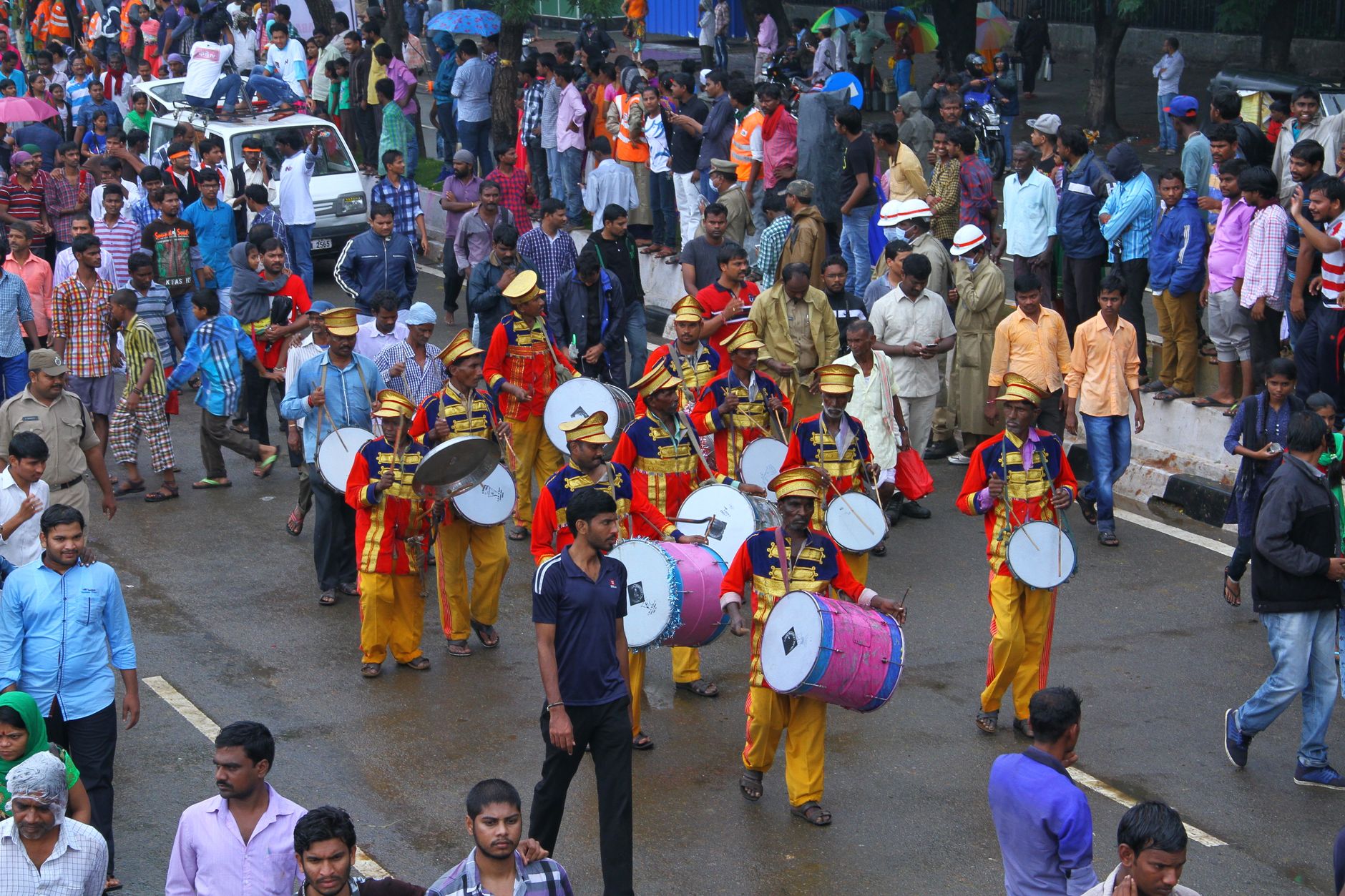
Manoj Jarange march is creating waves in Mumbai as he announces an indefinite fast at Azad Maidan. This decision is poised to draw significant attention to his cause.
Background of Manoj Jarange’s Activism
Manoj Jarange has emerged as a significant figure in the landscape of social activism in India, particularly known for his recent announcement of a march aimed at raising awareness for social justice. His activism is rooted in a series of events that highlight the struggles faced by marginalized communities. Over the years, Jarange has been vocal about issues of inequality and has rallied support from various quarters.
In the lead-up to his planned march, Jarange has garnered attention for his commitment to addressing these pressing concerns. His approach combines peaceful protest with a call for dialogue, emphasizing the importance of community involvement in effecting change. As he prepares for the Manoj Jarange march, he intends to galvanize public support and put pressure on local authorities to take notice of the issues at hand.
- Jarange’s activism has often centered around the rights of underrepresented groups.
- He advocates for a methodical approach to activism, encouraging peaceful demonstrations and constructive conversations.
- His recent announcement of an indefinite fast at Azad Maidan symbolizes his dedication to the cause.
As the march date approaches, many are looking forward to seeing how it will shape the discourse around social justice and community rights in the region.
Details of the Upcoming March
In a significant development, Manoj Jarange has announced a march aimed at advocating for his cause, scheduled to take place at Azad Maidan. This event is expected to draw attention to the pressing issues faced by the community, emphasizing the need for effective dialogue and resolution.
The details of the upcoming march are as follows:
- Date: The march is set for November 15, 2023.
- Time: Participants will gather starting from 10 AM.
- Location: The march will commence at Azad Maidan, a symbolic venue for protests in Mumbai.
- Objectives: The primary aim is to draw attention to the demands of the community, focusing on issues such as reservation rights and social justice.
Jarange has expressed that this march will not only be a peaceful demonstration but also a call for unity among supporters. He plans to address the crowd, outlining the significance of their collective action. The event is expected to be attended by various community leaders and activists, further amplifying the message of the Manoj Jarange march.
Public Reaction to the Indefinite Fast
The announcement of Manoj Jarange’s indefinite fast has sparked a wave of public reaction, revealing the diverse opinions surrounding his activism and the upcoming Manoj Jarange march. Supporters have rallied behind him, viewing his actions as a crucial step in advocating for the rights of their community. Many believe that his commitment to fasting symbolizes the urgency of their demands and reflects the deep-seated frustrations that have been simmering for years.
On social media, hashtags related to the march have gained traction, with numerous users expressing solidarity and sharing their own stories of struggle. Local leaders have also voiced their support, emphasizing the importance of peaceful protest and the need for dialogue with authorities. However, not all reactions have been positive. Some critics argue that such drastic measures could alienate potential allies and escalate tensions with law enforcement.
In the days leading up to the march, public forums and discussions have been organized, allowing community members to voice their opinions and strategize on how to effectively support Jarange’s cause. Emotions run high, with many expressing hopes that the upcoming event will bring about meaningful change, while others remain cautious about the potential outcomes of this high-stakes protest.
Historical Context of Protests in Mumbai
The history of protests in Mumbai is as rich and diverse as the city itself, reflecting the myriad struggles for social justice and political change. Over the decades, various movements have emerged in response to issues such as inequality, caste discrimination, and environmental concerns. These protests have often been characterized by their vibrant participation and the ability to mobilize large groups of people from different backgrounds.
One of the most significant aspects of the protests in Mumbai is the use of marches as a form of expression. From the struggles for independence to contemporary demands for rights, marching has served as a powerful tool for activists. The upcoming Manoj Jarange march is expected to follow this tradition, drawing attention to critical social issues while fostering a sense of unity among participants.
Throughout history, these demonstrations have played a pivotal role in shaping public discourse and influencing policy decisions. They not only highlight specific grievances but also provide a platform for marginalized voices. As the city gears up for the Manoj Jarange march, it is essential to remember the lessons learned from past movements and the importance of peaceful, organized protests in driving meaningful change.
- Historical marches include the Dandi March in 1930
- Recent protests have addressed various community issues
- Marches foster unity and solidarity among participants
What This Means for Local Politics
The upcoming Manoj Jarange march is poised to have significant implications for local politics in Mumbai. As Jarange rallies support for his cause, the march symbolizes a growing demand for accountability and responsiveness from elected officials. This event may become a catalyst for political change, as citizens increasingly seek to voice their concerns and influence decision-making processes.
Political analysts suggest that Jarange’s activism reflects broader trends in public engagement, particularly among younger voters disillusioned with traditional political structures. The mobilization of citizens around issues such as resource allocation and social justice can shift the dynamics of local governance. As the march gains traction, it may force politicians to reassess their priorities and align more closely with the needs of their constituents.
Moreover, the timing of the march coincides with upcoming elections, putting additional pressure on local representatives to address the issues raised by Jarange and his supporters. Elected officials may be compelled to respond to the demands for change, potentially reshaping their platforms to resonate with an increasingly active electorate.
Ultimately, the Manoj Jarange march is not just a protest; it is a declaration of the public’s desire for a more participatory political landscape, where voices are heard and actions are taken to bring about meaningful change.
The Manoj Jarange march has inspired many to consider the power of peaceful protest in driving social change. As participants gather, the Manoj Jarange march emphasizes unity and determination in the pursuit of justice.
Photo by Chinna Hyderabad Jalsa on Pexels