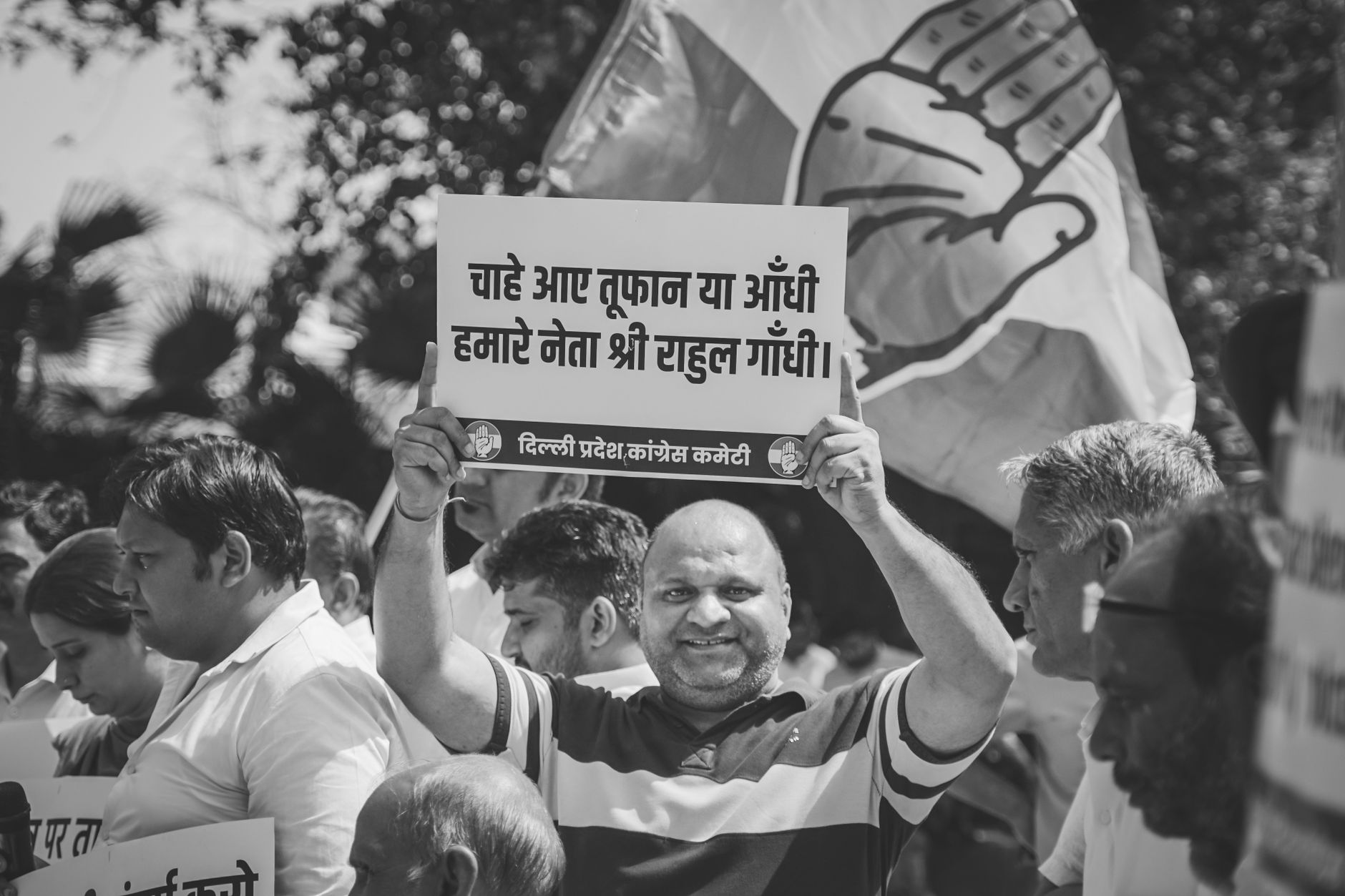
Hindu right-wing politics is becoming increasingly prominent in India, raising questions about its impact on the country’s democratic fabric. This article explores the implications of this rise.
Understanding Hindu Right-Wing Politics
The emergence of Hindu right-wing politics in India has sparked intense debate among scholars, politicians, and the general public. This political ideology, primarily associated with the Rashtriya Swayamsevak Sangh (RSS), advocates for a vision of India rooted in Hindu cultural and religious identity.
Supporters argue that this movement revitalizes national pride and unity, often emphasizing the need to protect Hindu values and traditions. They claim that a strong Hindu identity can lead to social cohesion and economic progress. However, critics warn that such ideologies may foster division and intolerance toward India’s diverse religious communities.
Key characteristics of Hindu right-wing politics include:
- Promotion of Hindutva, a term that signifies Hindu nationalism.
- Emphasis on cultural revival and historical narratives that favor Hindu perspectives.
- Mobilization of grassroots support through community engagement and social service initiatives.
As this phenomenon continues to evolve, its implications for India’s democratic fabric remain a contentious topic.
The Role of RSS in Shaping Ideologies
The Rashtriya Swayamsevak Sangh (RSS) has played a significant role in shaping ideologies associated with Hindu right-wing politics in India. Founded in 1925, the organization has been instrumental in promoting a vision of India rooted in Hindutva, which emphasizes Hindu cultural nationalism. Through its extensive network of volunteers and affiliated organizations, the RSS has sought to influence various aspects of Indian society, including education, social issues, and politics.
Many critics argue that the RSS’s activities contribute to the rise of divisive narratives that undermine secularism in India. Key strategies employed by the RSS include:
- Mobilizing grassroots support through local chapters and events.
- Promoting a unified Hindu identity that often marginalizes religious minorities.
- Engaging in political alliances to elevate right-wing parties to power.
The growing influence of the RSS raises questions about its impact on the future of Indian democracy and the potential consequences of Hindu right-wing politics.
Key Figures in the Right-Wing Movement
The Hindu right-wing politics movement in India has been shaped by several key figures who have played pivotal roles in its emergence and growth. These individuals have not only influenced the political landscape but also contributed to the ideological foundations of the movement.
- Vinayak Damodar Savarkar: Often regarded as one of the intellectual architects of Hindutva, Savarkar’s writings laid the groundwork for the philosophy that emphasizes Hindu nationalism.
- Bal Thackeray: The founder of the Shiv Sena, Thackeray was instrumental in mobilizing support for right-wing politics in Maharashtra, promoting a regional identity intertwined with Hindu nationalism.
- Mohammad Ali Jinnah: Although primarily associated with the creation of Pakistan, Jinnah’s actions and ideologies have been used by right-wing leaders to galvanize support against perceived threats to Hindu identity.
- Rashtriya Swayamsevak Sangh (RSS) Leaders: Figures like Mohan Bhagwat and K. S. Sudarshan have played significant roles in promoting the agenda of Hindu right-wing politics through grassroots mobilization.
These key figures illustrate the complexity and reach of the Hindu right-wing movement in India.
Impact of Hindutva on Indian Society
The rise of Hindu right-wing politics has significantly influenced various aspects of Indian society. Many believe that the promotion of Hindutva has led to a shift in cultural narratives and social dynamics.
One of the most notable impacts is the growing polarization among different religious communities. This has resulted in:
- Increased communal tensions: Instances of violence and discrimination have escalated, fostering an environment of fear and mistrust.
- Altered educational content: Academic curricula have been revised to reflect Hindutva ideologies, often sidelining historical accuracy.
- Political mobilization: The right-wing movement has successfully mobilized grassroots support, changing the political landscape and influencing elections.
Additionally, social media has played a crucial role in spreading Hindutva narratives, creating echo chambers that reinforce existing beliefs. This phenomenon poses questions about the future of secularism and pluralism in India, raising concerns about whether Hindu right-wing politics is indeed one of the worst trends affecting the nation’s unity.
Criticism and Controversies Surrounding RSS
The Rashtriya Swayamsevak Sangh (RSS), a pivotal organization in the Hindu right-wing politics of India, has faced significant criticism for its controversial methods and ideologies. Critics argue that the RSS promotes a vision of India that is exclusionary and divisive, often sidelining the country’s diverse religious and cultural identities.
Some of the main points of contention include:
- Allegations of Intolerance: The RSS has been accused of fostering religious intolerance, particularly towards minorities.
- Nationalism vs. Patriotism: Many believe the RSS blurs the line between nationalism and patriotism, promoting a singular narrative that undermines pluralism.
- Historical Revisionism: Critics have pointed out that the organization’s portrayal of Indian history often marginalizes non-Hindu narratives.
Despite these controversies, the RSS continues to gain influence, leading many to question whether Hindu right-wing politics is the worst trend in India today.
Future of Politics in India
The future of politics in India remains uncertain as the influence of Hindu right-wing politics continues to grow. Observers are divided on the implications of this trend, with some arguing that it may lead to heightened communal tensions, while others believe it could foster a sense of unity among like-minded individuals.
Key factors that will shape the political landscape include:
- Electoral Strategies: The alignment of various political parties with right-wing ideologies may redefine traditional political alliances.
- Social Movements: Grassroots movements advocating for minority rights could challenge the dominance of right-wing narratives.
- Judicial Interventions: The judiciary’s role in upholding secularism and protecting democratic values will be crucial.
- International Relations: Global perceptions of India’s political direction may impact foreign policy and trade.
Ultimately, the trajectory of Hindu right-wing politics will depend on public sentiment and the engagement of civil society in defending democratic principles.
Photo by Sandeep Kashyap on Pexels