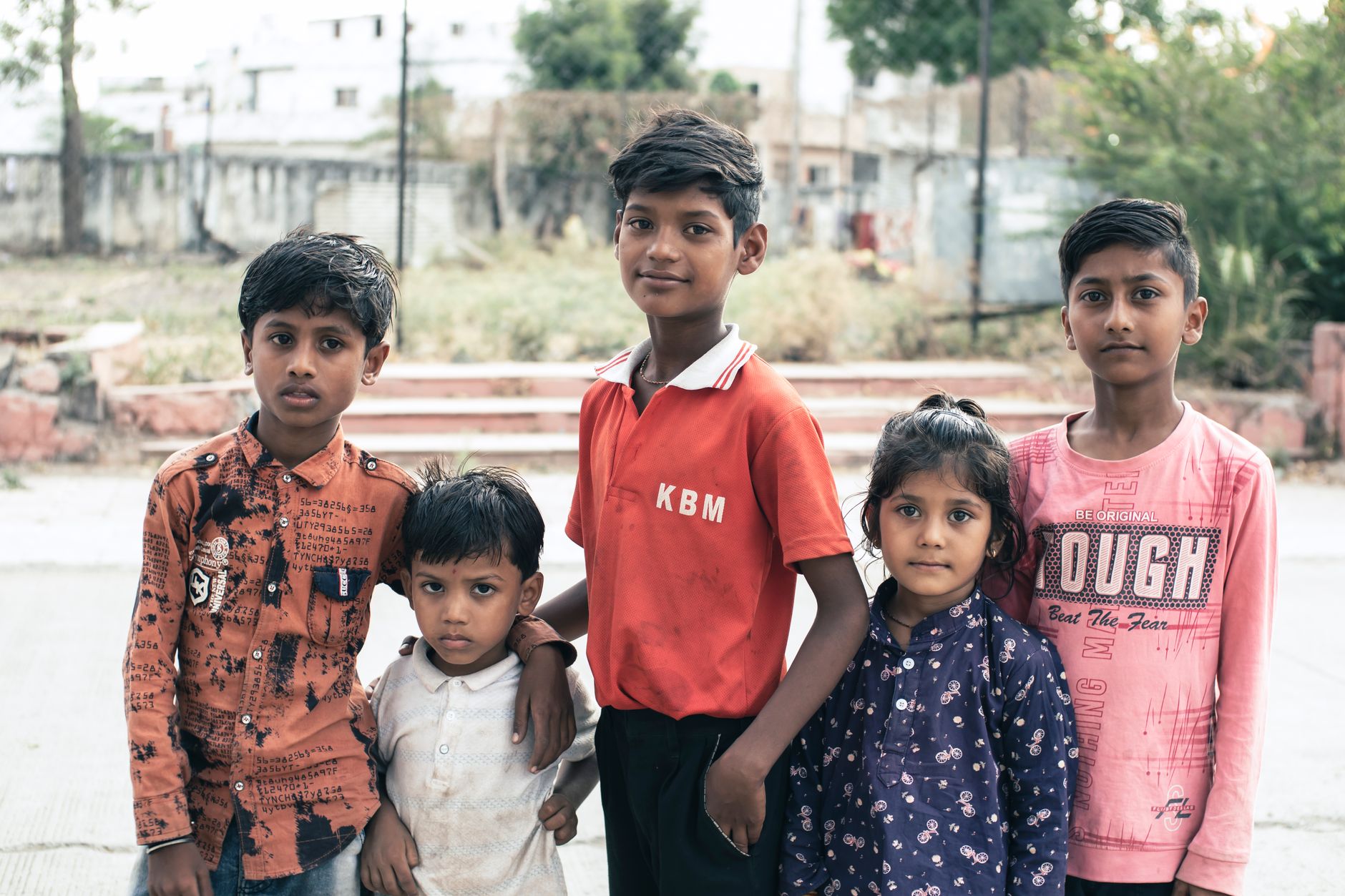
Madhya Pradesh dropout rates are a significant concern for the education sector. The government has announced a bold initiative aiming for a 0% dropout rate in primary education, promising to transform the educational landscape.
Overview of the 0% Dropout Initiative
The Madhya Pradesh government has launched an ambitious initiative aimed at achieving a 0% dropout rate in primary education. This program is designed to ensure that every child has access to quality education and remains enrolled throughout their foundational years. With a focus on reducing the state’s historically high dropout rates, the initiative seeks to address various barriers that prevent students from completing their education.
Key components of the 0% Dropout Initiative include:
- Increased Financial Support: Providing financial assistance to families to cover school-related expenses.
- Enhanced Infrastructure: Improving school facilities to create a more conducive learning environment.
- Community Engagement: Involving local communities in monitoring school attendance and promoting the importance of education.
- Teacher Training: Ensuring educators are well-equipped to engage students and address their diverse needs.
While the goal of a 0% dropout rate is commendable, experts argue that the focus should also be on the quality of education provided. Ensuring that children not only stay in school but also receive a meaningful and effective education is crucial for long-term success.
Impact on Primary Education
The initiative to achieve a 0% dropout rate in primary education in Madhya Pradesh has sparked significant discussions regarding its potential impact. While the aim is commendable, the actual implications on the education system are multifaceted.
One of the primary concerns is the quality of education that students receive. A focus solely on reducing dropout rates may lead to:
- Pressure on Teachers: Educators may feel compelled to promote students regardless of their understanding of the material, leading to gaps in knowledge.
- Resource Allocation: Schools might divert resources towards maintaining attendance rather than enhancing the curriculum and teaching methods.
- Student Engagement: A lack of emphasis on improving the educational experience could result in disengaged students who are physically present but mentally absent.
Moreover, the dropout rates in Madhya Pradesh highlight systemic issues, such as poverty and lack of infrastructure, which must be addressed comprehensively. Simply aiming for a 0% dropout rate may overlook these deeper challenges, potentially compromising the quality of education for future generations.
Government Strategies and Support
The Madhya Pradesh government has implemented several strategies aimed at reducing dropout rates in primary education. One of the key initiatives is the “0% Dropout Initiative,” which focuses on creating a supportive environment for students. This initiative includes the following strategies:
- Incentives for Attendance: The government offers financial incentives to families whose children maintain regular attendance, thereby encouraging parents to prioritize education.
- Teacher Training Programs: Enhanced training for teachers ensures they are equipped with the skills to engage students effectively, making learning more appealing.
- Community Engagement: Local communities are involved in monitoring student attendance and performance, fostering a collective responsibility towards education.
- Infrastructure Improvements: Investment in school infrastructure aims to create a more conducive learning environment, which is crucial for retaining students.
Despite these efforts, concerns remain about the feasibility of achieving a 0% dropout rate. Critics argue that while the goal is admirable, the underlying issues contributing to dropout rates must also be addressed, such as poverty and lack of access to resources.
Challenges Facing the Education System
The education system in Madhya Pradesh faces numerous challenges that complicate the goal of achieving 0% dropout rates. One major issue is the lack of adequate infrastructure in rural areas, which often leads to poor learning conditions. Many schools are under-resourced, lacking basic facilities such as sanitation and clean drinking water, making it difficult for students to attend regularly.
Additionally, socio-economic factors play a significant role in student retention. Families in lower-income brackets often prioritize work over education, as children may need to contribute to household income. This economic pressure can lead to increased dropout rates, undermining efforts to provide uninterrupted education.
Furthermore, there is a noticeable disparity in access to quality education between urban and rural regions. The urban centers may benefit from better-trained teachers and educational resources, while rural schools struggle to attract qualified educators. This discrepancy exacerbates the challenges of the education system, making it difficult to maintain a consistent focus on decreasing dropout rates.
Addressing these challenges is crucial for the success of any initiative aimed at achieving 0% dropout rates in Madhya Pradesh.
Community Involvement in Education
Community involvement plays a crucial role in addressing the issue of dropout rates in Madhya Pradesh. Engaging local stakeholders, including parents, teachers, and community leaders, fosters a supportive environment that encourages children to stay in school. By harnessing the collective resources and influence of the community, the government can effectively implement initiatives aimed at achieving a 0% dropout rate.
One effective strategy is the establishment of parent-teacher associations that facilitate open communication between educators and families. These associations can help identify at-risk students and provide necessary support to keep them engaged in their studies. Additionally, local organizations can organize awareness campaigns to highlight the importance of education and the long-term benefits of completing schooling.
Furthermore, community-led tutoring programs and extracurricular activities can enhance students’ learning experiences, making education more appealing. By involving community members in the educational process, Madhya Pradesh can create a sustainable model that not only aims for a 0% dropout rate but also fosters a culture of learning and achievement among its youth.
Future of Education in Madhya Pradesh
The future of education in Madhya Pradesh hinges on addressing the persistent issue of dropout rates. While the government aims for a bold “0% dropout” initiative, the real challenge lies in sustaining this goal. Effective strategies must be implemented to ensure that students not only enroll but also remain engaged throughout their academic journey.
One potential solution involves enhancing the quality of education by investing in teacher training and resources. Innovative teaching methods and a relevant curriculum can captivate students’ interests and reduce the likelihood of dropouts. Furthermore, incorporating technology into classrooms could bridge gaps in learning, making education more accessible and appealing.
Collaboration with local communities is also vital. Parents and community leaders must play an active role in supporting education initiatives. Establishing mentorship programs can foster a sense of belonging among students, further motivating them to continue their studies.
Ultimately, while the goal of achieving 0% dropout rates is commendable, it requires a comprehensive approach that addresses the underlying factors contributing to dropout rates in Madhya Pradesh.
Addressing the issue of Madhya Pradesh dropout rates requires a multifaceted approach that goes beyond simply aiming for a 0% dropout rate. By understanding the underlying factors contributing to Madhya Pradesh dropout rates, policymakers can implement more effective strategies to retain students in the education system.
Photo by Extro Vision on Pexels