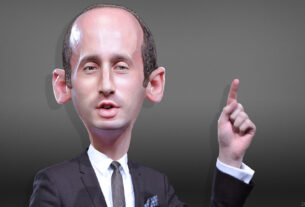
Michigan Democratic unity is under pressure as tensions rise between Abdul El-Sayed and his former primary rival, highlighting ongoing conflicts within the party.
Background on Abdul El-Sayed
Abdul El-Sayed, a prominent figure in Michigan’s political landscape, has garnered attention for his progressive stance and commitment to social justice. Born in 1984, El-Sayed pursued a career in medicine and public health before entering the political arena. In 2018, he launched an ambitious campaign for governor, becoming the first Muslim to run for the position in Michigan. His platform emphasized healthcare for all, environmental sustainability, and economic equity, resonating with a significant portion of the electorate.
El-Sayed’s campaign, however, faced challenges, particularly from his primary rival, Gretchen Whitmer, who ultimately secured the Democratic nomination. Despite the setback, he has remained an influential voice within the Michigan Democratic Party, advocating for unity among party members. In recent months, tensions have surfaced as El-Sayed has openly criticized the party’s direction, prompting discussions about the need for Michigan Democratic unity.
Supporters argue that El-Sayed’s progressive ideals are crucial for the party’s future, especially in the face of rising conservatism. As the party navigates internal conflicts and seeks to unite its base, El-Sayed’s role as a thought leader remains vital, emphasizing the importance of collaboration to achieve shared goals.
The Role of Unity in Politics
The political landscape in Michigan has been marked by a growing need for Michigan Democratic unity as factions within the party navigate challenges and differing priorities. The recent tensions highlighted by the clash between Abdul El-Sayed and his former primary rival underscore the importance of cohesion in achieving shared goals.
In times of division, it is essential for party members to reflect on the core values that unite them. The following aspects demonstrate the role of unity in politics:
- Strength in Numbers: A united front allows the Democratic Party to present a compelling alternative to opposing parties, increasing their chances of success in elections.
- Shared Vision: When party members align their goals and strategies, they are better positioned to advocate for policies that benefit the community as a whole.
- Conflict Resolution: Unity fosters an environment where disagreements can be addressed constructively, preventing internal strife from undermining the collective mission.
- Mobilization of Support: A cohesive party can more effectively mobilize volunteers and resources, ensuring that campaigns are well-funded and organized.
As Michigan Democrats work through their differences, the emphasis on unity becomes even more critical for their continued progress in the political arena.
Current Political Climate in Michigan
The current political climate in Michigan is marked by a palpable tension among Democratic leaders, as party unity is increasingly tested. The recent resurgence of debates surrounding key issues has brought to light divisions that some believed were resolved. In particular, the ongoing conflict between Abdul El-Sayed and his former primary rival underscores the fragility of Michigan Democratic unity.
Despite a shared goal of advancing progressive policies, factions within the party are emerging, reflecting differing priorities and strategies. Some party members argue that a cohesive front is essential to galvanize voter support, especially in the lead-up to upcoming elections.
Key issues at the forefront of this struggle include:
- Healthcare reform: Advocates are pushing for a more inclusive approach.
- Climate change policies: Activists are demanding immediate action and accountability.
- Economic inequality: Discussions focus on equitable solutions to uplift marginalized communities.
As the Michigan Democratic Party grapples with these challenges, the need for unity becomes increasingly clear. El-Sayed’s recent statements indicate that his vision for the future may diverge from other party leaders, raising concerns about a fractured Democratic base.
Impact of Primary Rivalries
The recent escalation of tensions between Abdul El-Sayed and his former primary rival has raised concerns about Michigan Democratic unity. As both figures continue to advocate for progressive policies, the rivalry has led to a split in the party, potentially undermining their collective efforts.
In the wake of heated exchanges, party members are expressing worries over the implications for upcoming elections. Many fear that a lack of cohesion could alienate voters who are seeking a unified front against Republican candidates. The impact of primary rivalries is evident as factions within the party emerge, each supporting different visions for Michigan’s future.
Key issues at stake include:
- Healthcare Reform: Diverging opinions on how to approach healthcare could fracture support.
- Education Policy: Disagreement on funding priorities may lead to a lack of a cohesive educational platform.
- Environmental Action: Differing views on climate initiatives have sparked debates among supporters.
As Michigan Democrats navigate this challenging landscape, the need for unity is paramount. The party’s ability to reconcile differences will play a crucial role in shaping its future and ensuring a strong presence in upcoming elections.
Public Reactions to the Conflict
As tensions rise within the Michigan Democratic Party, public reactions to the ongoing conflict between Abdul El-Sayed and his former primary rival have been swift and varied. Many party supporters express concern over the implications of this discord on the party’s unity and its ability to make progress in the upcoming elections.
A recent poll indicates that a significant portion of voters believe that internal strife could weaken the party’s chances against Republican opponents. Some have taken to social media to voice their frustration, emphasizing the need for Michigan Democratic unity to overcome challenges and push for progressive policies.
- Supporters of El-Sayed argue that his vision for progressive change is crucial for Michigan’s future.
- Critics of the ongoing feud caution that continued fighting could alienate moderate voters.
- Local activists are calling for a united front, urging leaders to set aside differences to focus on common goals.
In the face of a divided party, many are hoping that leaders will recognize the necessity of collaboration and reconciliation. As the primary season approaches, the pressure mounts for Michigan Democrats to reestablish a sense of unity and direction that resonates with their constituents.
Future of the Democratic Party
The future of the Democratic Party in Michigan hinges on achieving unity among its members, particularly as tensions rise between prominent figures such as Abdul El-Sayed and his former primary rival. As the party navigates a challenging political landscape, the emphasis on collaboration and cohesion becomes increasingly crucial.
Michigan Democratic unity is vital for rallying support from voters disillusioned by internal conflict. The party’s ability to present a united front will not only strengthen its position in upcoming elections but also enhance its credibility as a viable alternative to opposing factions. A divided party risks alienating key demographics, which could lead to significant electoral losses.
To foster a sense of unity, leaders must prioritize communication and compromise. Engaging with grassroots organizations and actively listening to constituents will be essential in bridging divides. The Democratic Party must also focus on shared values and goals, emphasizing policies that resonate with a broad audience.
As the party approaches the next election cycle, it is imperative that members work together to overcome past rivalries. By doing so, they can cultivate a strong, unified front that not only addresses the concerns of Michigan residents but also sets the stage for progressive change in the state.
Analysis of El-Sayed’s Campaign
Abdul El-Sayed’s campaign has become a focal point for examining the broader theme of Michigan Democratic unity. His approach has ignited conversations about collaboration and division within the party, especially following his contentious primary battle. El-Sayed, known for his progressive platform, has consistently emphasized the need for a united front among Democrats to tackle pressing issues such as healthcare reform and economic inequality.
In recent weeks, his interactions with former rivals have highlighted the delicate balance between maintaining individual identities and fostering party cohesion. As tensions rise, analysts note that El-Sayed must navigate these relationships carefully to avoid further fragmentation within the party.
Key strategies in his campaign include:
- Building coalitions that transcend past rivalries.
- Focusing on shared goals rather than personal differences.
- Engaging grassroots movements to bolster support across various demographics.
Despite the challenges posed by lingering animosities, El-Sayed’s commitment to Michigan Democratic unity remains a cornerstone of his vision. His ability to unite different factions could ultimately determine not only his own political future but also the Democratic Party’s success in upcoming elections.
Potential Outcomes of the Dispute
The ongoing dispute within the Michigan Democratic Party has sparked widespread concern about potential outcomes that could reshape the political landscape. As tensions rise between Abdul El-Sayed and his former primary rival, many are questioning the implications for party unity, which is critical for electoral success.
One possible outcome of this conflict is a fragmentation of support among Democratic voters. If factions within the party do not reconcile, the lack of cohesion could lead to a weakened electoral performance in upcoming elections. This scenario risks alienating progressive voters who are crucial for maintaining a strong Democratic presence in Michigan.
Alternatively, the dispute might catalyze a renewed focus on the importance of Michigan Democratic unity. Leaders within the party could use this moment as an opportunity to rally support, emphasizing the need to come together to combat rising challenges from rival parties. Such unity could enhance collaboration among diverse groups, ultimately strengthening the party’s platform and outreach efforts.
Moreover, the resolution of this conflict could set a precedent for how the Michigan Democratic Party handles internal disputes moving forward. If handled thoughtfully, it may serve as a model for fostering unity while respecting diverse viewpoints within the party.
As the party rallies behind a common vision, Michigan Democratic unity is essential in addressing the pressing challenges facing our communities. With grassroots support and a commitment to collaboration, Michigan Democratic unity can drive meaningful change and progress for all citizens.