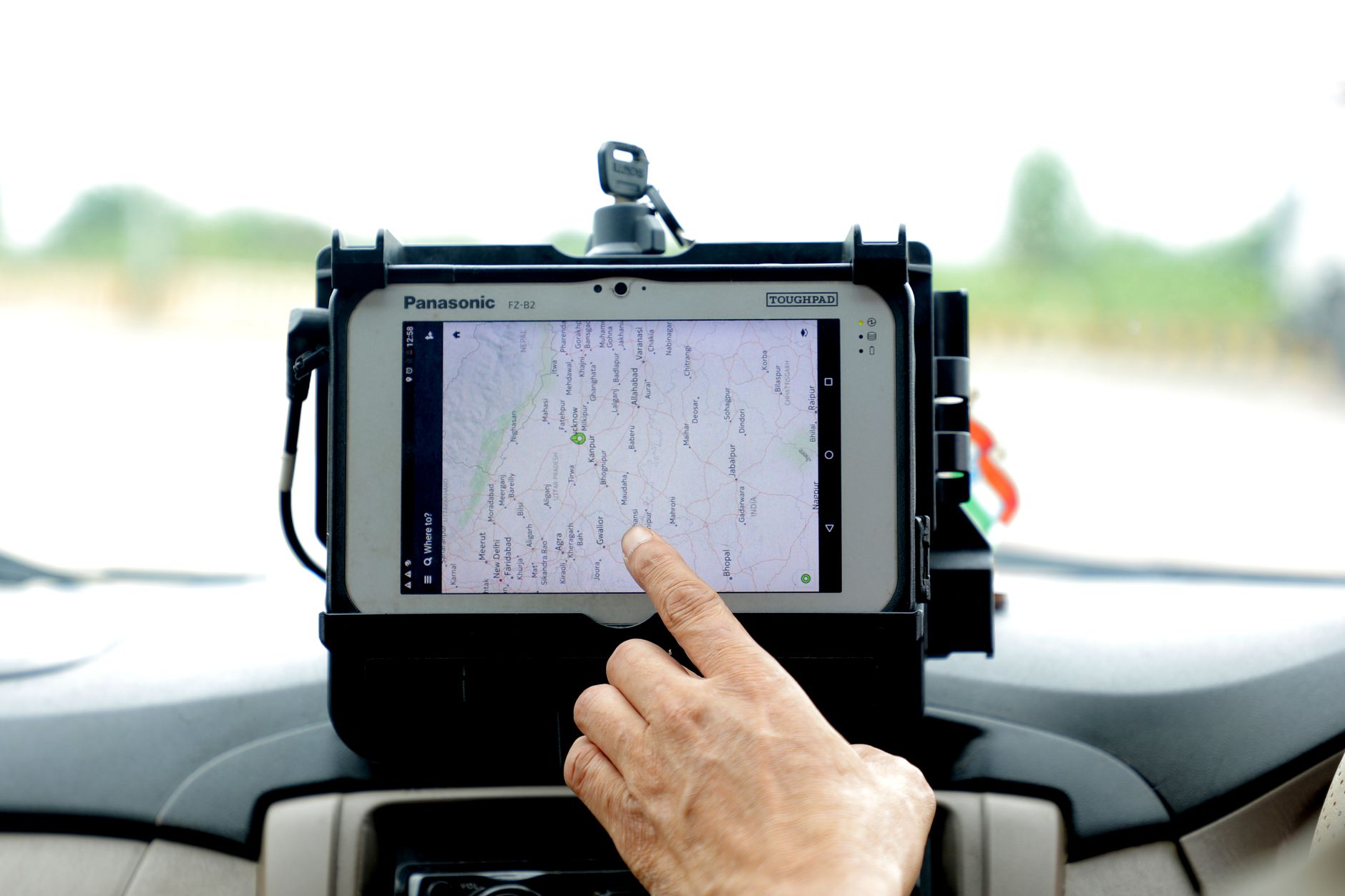
GPS issues from satellites have emerged after a recent shift of 33 feet in space, leading to significant risks for self-driving cars on Earth. This unexpected movement has raised alarms among experts about the potential dangers.
Understanding Satellite Movement
The recent shifts in satellite positioning have raised significant concerns regarding GPS issues from satellites and their impact on self-driving vehicles. Understanding how satellites move is crucial to grasping the potential risks involved.
Satellites orbiting the Earth are not stationary; they travel at high speeds and can experience various forms of drift. A recent incident reported a notable movement of satellites by approximately 33 feet. This unexpected shift can have dire consequences for GPS accuracy, which is essential for the navigation systems used in autonomous vehicles.
Self-driving cars rely heavily on precise GPS signals to analyze their surroundings and make informed driving decisions. When satellites experience movement, it can lead to:
- Inaccurate positioning: Errors in location data can mislead navigation systems.
- Delayed responses: Slower GPS signals can hinder real-time decision-making.
- Increased risk: The potential for accidents rises if vehicles cannot accurately gauge their environment.
As technology continues to advance, addressing these GPS issues from satellites will be critical to ensuring the safety and reliability of self-driving cars.
Impact on GPS Technology
The recent movement of satellites in orbit has raised significant concerns regarding GPS issues from satellites, particularly affecting the functionality of self-driving cars. As satellites drifted by an alarming 33 feet, the precision of GPS signals was compromised, leading to inaccuracies that could prove dangerous on the roads.
Self-driving cars rely heavily on accurate GPS data to navigate safely and efficiently. The technology depends on real-time signals that must be precise to ensure proper decision-making in complex driving environments. However, when satellite positions are altered, even by a small margin, the ramifications can be vast.
The potential impacts of these GPS issues can be categorized as follows:
- Safety Risks: Misguided navigation could lead to accidents or erratic driving behavior.
- Operational Challenges: Self-driving systems may face difficulties in route planning and execution.
- Public Trust: Recurrent GPS inaccuracies could diminish consumer confidence in autonomous vehicle technology.
To address these urgent issues, it is crucial for engineers and researchers to develop robust solutions that can counteract the effects of satellite movement and enhance GPS reliability for the future of autonomous driving.
Risks for Self-Driving Cars
The recent movement of satellites, shifting by as much as 33 feet, has raised significant concerns regarding GPS issues from satellites, particularly for the safety of self-driving cars. These vehicles rely heavily on precise GPS data to navigate roads and avoid obstacles. When satellite positions are altered, the resulting inaccuracies can lead to serious consequences.
Self-driving cars depend on a combination of GPS signals, sensors, and advanced algorithms to make split-second decisions. The distortion in GPS data, caused by the unexpected satellite movement, can lead to:
- Misjudgment of distances — Vehicles may miscalculate how far they are from other cars or obstacles.
- Navigation errors — Self-driving systems could incorrectly interpret map data, resulting in wrong turns.
- Increased risk of accidents — Inaccurate GPS readings may lead to collisions or unsafe driving maneuvers.
As the technology behind self-driving cars continues to evolve, the implications of GPS issues from satellites must be addressed. Ensuring reliable positioning data is crucial to maintaining safety standards in autonomous vehicle operations.
Expert Opinions on Space Changes
Experts are increasingly concerned about the recent changes in satellite positioning, which have resulted in significant GPS issues from satellites. Dr. Emily Carson, a leading researcher in satellite navigation, noted, “The movement of satellites by 33 feet is unprecedented and poses severe challenges for GPS accuracy.”
Many specialists in the field of autonomous vehicle technology emphasize the risks associated with these GPS issues. Dr. Raj Patel, a prominent engineer at a self-driving car company, stated, “These discrepancies can lead to miscalculations in navigation, which could jeopardize the safety of passengers and pedestrians alike.”
Additionally, Professor Linda Chen from the Institute of Space Science commented on the broader implications, saying, “This situation raises questions about the reliability of satellite networks and their ability to support critical applications like autonomous driving.”
As the industry grapples with these challenges, experts are calling for immediate action to reassess and recalibrate satellite systems. They believe that developing enhanced algorithms and backup systems could mitigate the risks posed by such GPS issues from satellites, ensuring greater safety for autonomous vehicles in the future.
Future of Navigation Systems
The future of navigation systems is increasingly being called into question due to the recent GPS issues from satellites. As satellite technology evolves and environmental factors change, the reliability of GPS signals is becoming more uncertain. This situation poses significant challenges for self-driving cars that rely heavily on precise navigation.
As self-driving vehicles depend on real-time data from GPS satellites, any disruptions can lead to serious safety concerns. The 33-foot movement of satellites reported recently has highlighted vulnerabilities in the current navigation systems. With such discrepancies, autonomous vehicles may misinterpret their surroundings or fail to navigate effectively, exposing passengers and pedestrians to potential hazards.
To address these challenges, experts are exploring innovative solutions that could enhance the resilience of navigation systems. Possible approaches include:
- Developing advanced algorithms to better interpret satellite data
- Integrating complementary technologies such as LIDAR and radar
- Implementing redundancy in satellite networks to minimize disruptions
These strategies aim to ensure that self-driving cars can operate safely and effectively, even in the face of unpredictable satellite movements.
Photo by 112 Uttar Pradesh on Pexels
Sources
Related stories
Manoj Jarange march: The Right Way to Protest for Change · E2E AI model release: Is it the Best Proven Solution? · Xbox Game Pass cloud gaming: Clear benefits for members