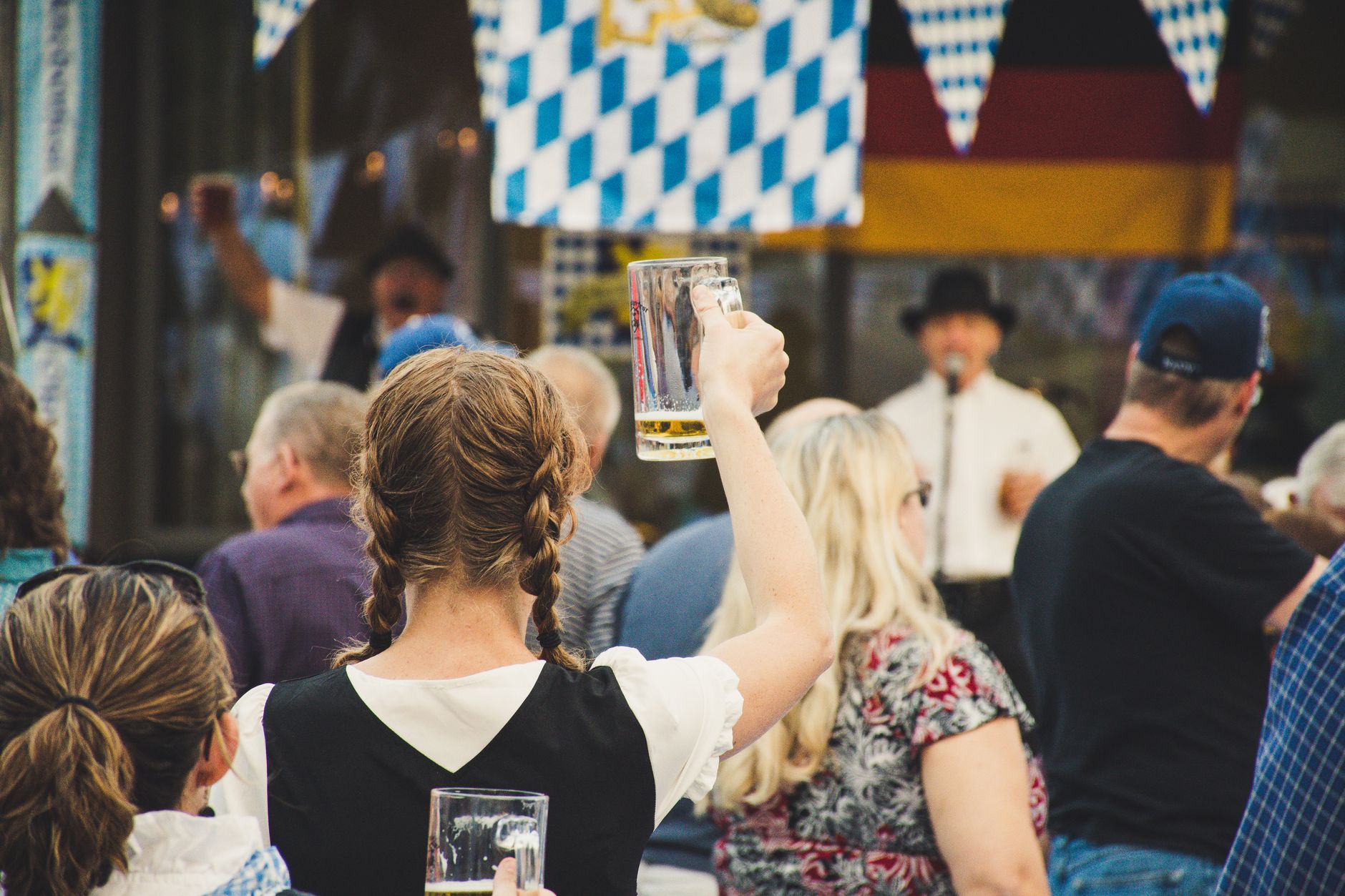
The history of Oktoberfest is rich and filled with tradition. This iconic festival has evolved over the years, becoming a symbol of German culture and celebration.
Introduction to Oktoberfest
Oktoberfest is not just a celebration of beer; it is a rich tapestry of traditions and history that dates back to the early 19th century. Originally held in 1810 to celebrate the marriage of Crown Prince Ludwig of Bavaria to Princess Therese, the festival has evolved into the world’s largest Volksfest, attracting millions of visitors each year.
The history of Oktoberfest reflects the cultural heritage of Bavaria, showcasing not only its famous brews but also its food, music, and traditional attire. Over the years, the festival has expanded significantly, with the first official festivities taking place in 1811, featuring horse races that would later give way to the beer tents we know today.
As Oktoberfest continues to grow, it remains a symbol of Bavarian pride and hospitality, drawing people from all corners of the globe to experience its unique and festive atmosphere.
Origins of Oktoberfest
The origins of Oktoberfest can be traced back to the early 19th century in Munich, Germany. The festival began in 1810 as a royal wedding celebration for Crown Prince Ludwig and Princess Therese of Saxe-Hildburghausen. The citizens of Munich were invited to join in the festivities, which included a large horse race held over several days.
As the event gained popularity, it transformed into an annual tradition, attracting visitors from all over Bavaria and beyond. Over the years, the festival expanded to include various attractions, food stalls, and, of course, the iconic beer tents that are now synonymous with Oktoberfest.
Today, Oktoberfest is recognized as the world’s largest Volksfest, celebrating not just the history of Oktoberfest itself but also Bavarian culture and traditions. Each year, millions flock to Munich to partake in this vibrant event, showcasing the enduring legacy of its royal beginnings.
Key Milestones in Oktoberfest History
The history of Oktoberfest is marked by several key milestones that have shaped the festival into what it is today.
- 1810: The inaugural Oktoberfest was held to celebrate the marriage of Crown Prince Ludwig to Princess Therese of Saxe-Hildburghausen.
- 1818: The first official beer tents were introduced, setting the stage for the festival’s future as a beer celebration.
- 1850: The festival began to expand, incorporating additional attractions such as amusement rides and agricultural shows.
- 1880s: Oktoberfest saw an increase in the number of breweries participating, solidifying its reputation as a premier beer festival.
- 1939: The festival was suspended during World War II but resumed after the war, adapting to the changing times.
- 1980s-Present: The festival has continued to evolve, welcoming millions of visitors each year and celebrating its rich history.
Oktoberfest Traditions
Oktoberfest traditions have evolved over the years, creating a vibrant celebration that attracts millions of visitors. One of the most notable customs is the ceremonial tapping of the first keg, known as the O’zapft is!, which marks the official start of the festival. This tradition began in 1810 and continues to be a focal point of the event.
Another significant aspect of Oktoberfest is the wide array of traditional foods served, including pretzels, sausages, and strudel. These culinary delights are paired with the finest German beers, reflecting the festival’s roots in Bavarian culture.
Additionally, Oktoberfest features lively parades and performances, showcasing traditional music and dance. From authentic folk costumes to thrilling amusement rides, the festival offers an immersive experience that highlights the rich history of Oktoberfest and its enduring appeal.
- Ceremonial keg tapping
- Traditional foods and beverages
- Parades and performances
Impact of Oktoberfest on Munich
The history of Oktoberfest has significantly shaped Munich, transforming the city into a cultural hub. Each year, millions flock to the festival, leading to substantial economic benefits for the region. Local businesses, from hotels to restaurants, experience a surge in visitors, contributing to a vibrant atmosphere.
The festival not only boosts tourism but also fosters a sense of community among residents. As locals prepare for the event, they engage in traditional practices, enhancing Munich’s cultural identity. The impact extends beyond economics; Oktoberfest is a celebration of Bavarian heritage, bringing people together in shared experiences.
Additionally, Oktoberfest has influenced other cities worldwide, inspiring similar festivals that celebrate German culture. The event’s successful adaptation has allowed Munich to maintain its status as the beer capital of the world.
In summary, the impact of Oktoberfest on Munich is profound, intertwining economic growth with cultural pride and community spirit.
Oktoberfest Around the World
Oktoberfest, originally rooted in Munich, has transcended its Bavarian origins to inspire celebrations around the globe. Cities in various countries have adopted the festival, showcasing their own interpretations of this beloved event. The history of Oktoberfest reveals how these adaptations maintain the spirit of the original while incorporating local customs.
Prominent celebrations can be found in:
- United States: Many cities, including Denver and Cincinnati, host large Oktoberfest events, reflecting the German-American heritage.
- Canada: Kitchener-Waterloo is renowned for its Oktoberfest, featuring traditional music and food.
- Australia: Sydney and Melbourne celebrate with beer gardens and parades that capture the festive atmosphere of Munich.
- South America: Brazil hosts Oktoberfest in Blumenau, a vibrant homage to German culture.
These international festivals demonstrate the enduring legacy and universal appeal of Oktoberfest, inviting people everywhere to celebrate together.
Modern Celebrations of Oktoberfest
In recent years, the modern celebrations of Oktoberfest have evolved into a global phenomenon, attracting millions of visitors each year. The history of Oktoberfest is reflected in the event’s growth, which has transcended its Bavarian roots to inspire festivities worldwide.
Today, Munich’s Oktoberfest remains the largest and most famous, featuring:
- Massive beer tents hosted by local breweries, offering a variety of traditional German beers.
- Authentic cuisine such as pretzels, sausages, and roasted chicken, enhancing the festive atmosphere.
- Traditional music performed by bands, creating a lively environment for dancing and celebration.
- Carnival rides and games, appealing to families and thrill-seekers alike.
With its rich history, Oktoberfest continues to foster a sense of community and cultural appreciation, connecting people through shared experiences and joyful celebrations.
Conclusion: The Legacy of Oktoberfest
The legacy of Oktoberfest is a testament to its enduring appeal and cultural significance. As the world’s largest beer festival, it has evolved from its humble beginnings in 1810 to a global celebration that attracts millions of visitors each year. The history of Oktoberfest reflects not only the growth of a local tradition but also the unifying power of shared experiences.
Throughout its long history, Oktoberfest has adapted to changing times while maintaining its core values of community and festivity. Today, cities around the world celebrate their own versions of this iconic festival, embracing the spirit of Bavarian culture.
The festival’s impact extends beyond beer and food; it fosters connections among people, encourages tourism, and supports local economies. As Oktoberfest continues to thrive, it remains a vibrant symbol of joy, camaraderie, and the rich history of Oktoberfest, ensuring its legacy for generations to come.
The history of Oktoberfest dates back to 1810, when it was first held to celebrate the marriage of Crown Prince Ludwig. Understanding the history of Oktoberfest helps us appreciate its evolution into the world’s largest beer festival today.
Photo by Brett Sayles on Pexels